
Adapt Your Indoor Jungle with the Seasons
Seasonal indoor plant care—moving and adjusting plants as home conditions shift—guides every idea here. We’ll help you read rooms, reposition pots, tweak watering, and ease transitions so leaves stay vibrant. Share your experiences and subscribe for practical checklists, case studies, and reminders aligned with changing light, temperature, and humidity.
Reading Light, Drafts, and Hidden Microclimates
Map the Sun’s Changing Path
Use a compass app and a seasonal sun chart to trace rays during breakfast, lunch, and late afternoon across equinoxes and solstices. Jot where light pools or fades, then shift light-hungry pots gradually. Repeat monthly; small adjustments now prevent dramatic, leaf-dropping surprises later.
Detect Drafts and Heat Sources
Hold a thin tissue near windows, doors, and vents to reveal subtle currents that chill leaves or wick moisture. Note winter radiators and summer air-conditioners, then give sensitive plants safe distance. Redirect airflow with screens, and rotate pots to balance growth without windburn or scorch.
Find Humidity Hotspots
Bathrooms after showers, kitchens near kettles, and corners with grouped foliage often hold friendlier moisture. Track levels with a hygrometer morning and night, noticing dips from heating cycles. Place ferns, calatheas, and moss poles nearby, and refresh trays, ensuring water never touches drainage holes or roots.
Relocations Without Shock
Plants handle moves best when changes feel gradual, not sudden. A cautious, weeklong relocation saved my finicky fiddle-leaf fig from a notorious sulk last autumn. Create a staging zone halfway between old and new spots, adjust distance from windows in increments, and shift orientation a quarter turn at a time. Support with stable watering and gentle airflow. Encourage resilience by observing leaves closely, then respond with patience instead of drastic fixes, celebrating small signs of adaptation.
Advance pots a small step daily, easing from bright shade to filtered light, or from cool hallway to warmer living room. Track leaf posture each morning. If edges crisp, pause progression, mist air around plants, and resume once tissues relax and colors normalize again.
Before shifting containers, water lightly to stabilize soil, tie lanky stems loosely, and pad ceramic pots to prevent chips. Lift from the base, never the trunk. After placement, add stakes or soft ties, and reduce wobbles that strain roots and stall acclimation progress.
Keep a simple log noting time, light exposure, temperature, and leaf reactions for the first two weeks. Curling, droop, or slight chlorosis often indicates adjustment, not disaster. Resist repotting, reduce fertilizer, and share updates with our community to crowdsource gentle, informed next steps.
Tell Thirst from Soggy Roots
Lift the pot and feel for surprising heaviness, probe the top inches, and notice leaf texture changes before reaching for the watering can. Err on underwatering in winter. Water thoroughly when needed, then let excess drain completely, preventing lingering cold moisture from suffocating roots.
Fertilizer by Daylength and Growth
Use half-strength balanced fertilizer as days lengthen and new leaves unfurl, pausing or reducing when growth stalls. Track sunrise duration in your location and set reminders. Slow-release pellets suit travelers, while liquid feeds reward attentive observers who adjust rates weekly with visible vigor.
Potting Mix Adjustments for Seasons
In cooler months, add extra perlite or pumice for aeration, helping roots breathe between drinks. As warmth returns, incorporate organic matter that retains moisture without compaction. Document blends that perform best for your space, and share recipes to help others solve similar seasonal puzzles.
Water, Feed, and Rest Through the Year
As daylight shortens, metabolism slows, demanding longer intervals between waterings and lighter feedings. When I finally halved winter waterings and skipped feeds, persistent fungus gnats disappeared and new growth emerged stronger in spring. Spring reverses the script with brighter days and faster growth. Learn to test soil by weight and finger depth, dilute fertilizers appropriately, and match routines to actual conditions rather than calendar dates alone.
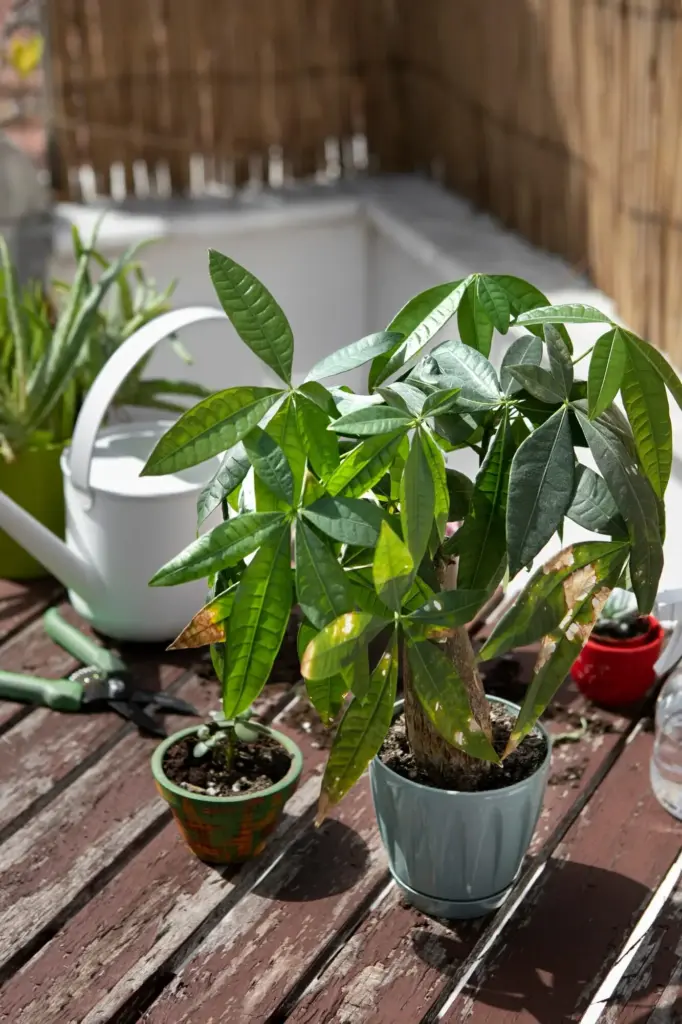
Temperature and Humidity Mastery
Most houseplants prefer steady warmth and gentle moisture in the air, yet homes swing with furnaces, ovens, showers, and sunset chills. Learn to measure properly, buffer extremes with trays, humidifiers, and fans, and arrange collections so companions create miniature climates that cushion fluctuations gracefully.
Light Boosts When Windows Won’t Cooperate
Northern exposures, deep balconies, or rainy winters can starve leaves of photons. Modern LEDs rescue collections with efficient spectrum and modest heat. Learn wattage, lumens, and Kelvin basics, then set timers to mimic seasonal dawns. Combine reflective surfaces with careful placement to stretch brightness effectively.
Establish a Quarantine Corner
Set aside a bright, separate shelf for new arrivals and any plant returning from outdoors. Observe for two weeks, checking nodes and petioles with a flashlight. Treat proactively if needed, and only integrate once growth looks steady and pest traps remain reassuringly empty.
Safe Treatments and Biological Helpers
Begin with insecticidal soap or horticultural oil, applied thoroughly beneath leaves and along stems. Rinse gently after labeled intervals. For persistent problems, consider beneficial predators or targeted systemics used carefully. Record responses, and update your personal playbook to act faster during future seasonal transitions.
Airflow, Sanitation, and Timing
Use small fans for gentle circulation that dries leaves by nightfall without chilling. Water in mornings to avoid overnight dampness. Remove dead material promptly, sterilize shears between plants, and refresh sticky traps. Share weekly routines in the comments to inspire consistent, calm plant stewardship.
All Rights Reserved.