Pet-Friendly Choices and Smarter Placement
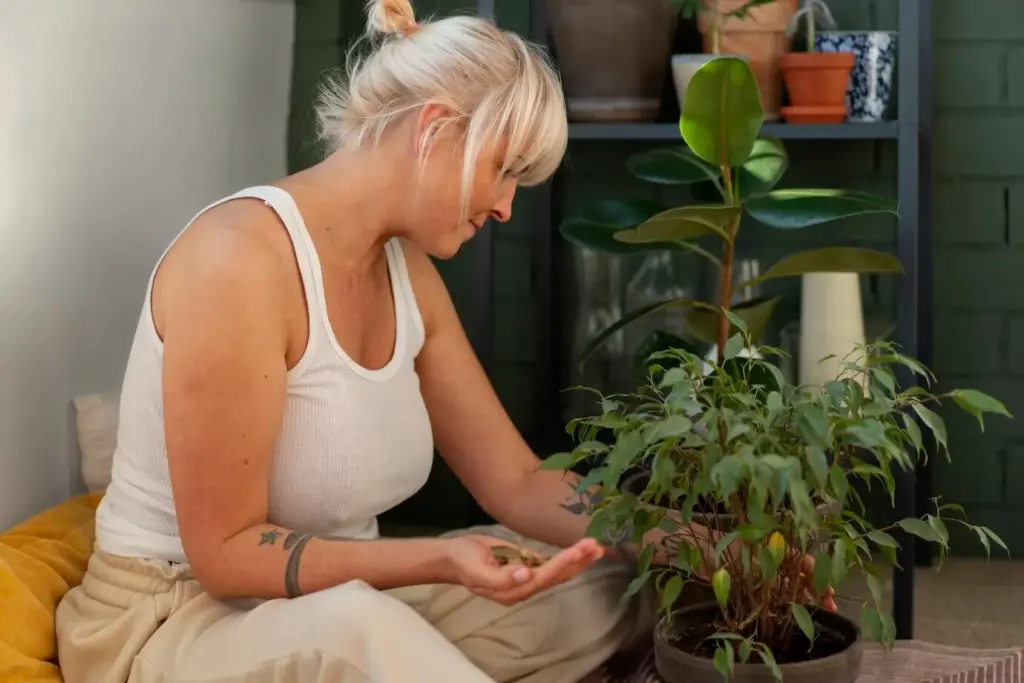
If animals roam everywhere, select true allies like calathea, peperomia, maranta, and certain palms. Place tempting trailing vines high, and offer cat grass as a decoy. Secure hanging planters into studs, choose heavier pots that resist tipping, and keep any mildly toxic specimens behind doors or on inaccessible shelving.
Kid-Approved Displays that Invite Wonder, Not Worry
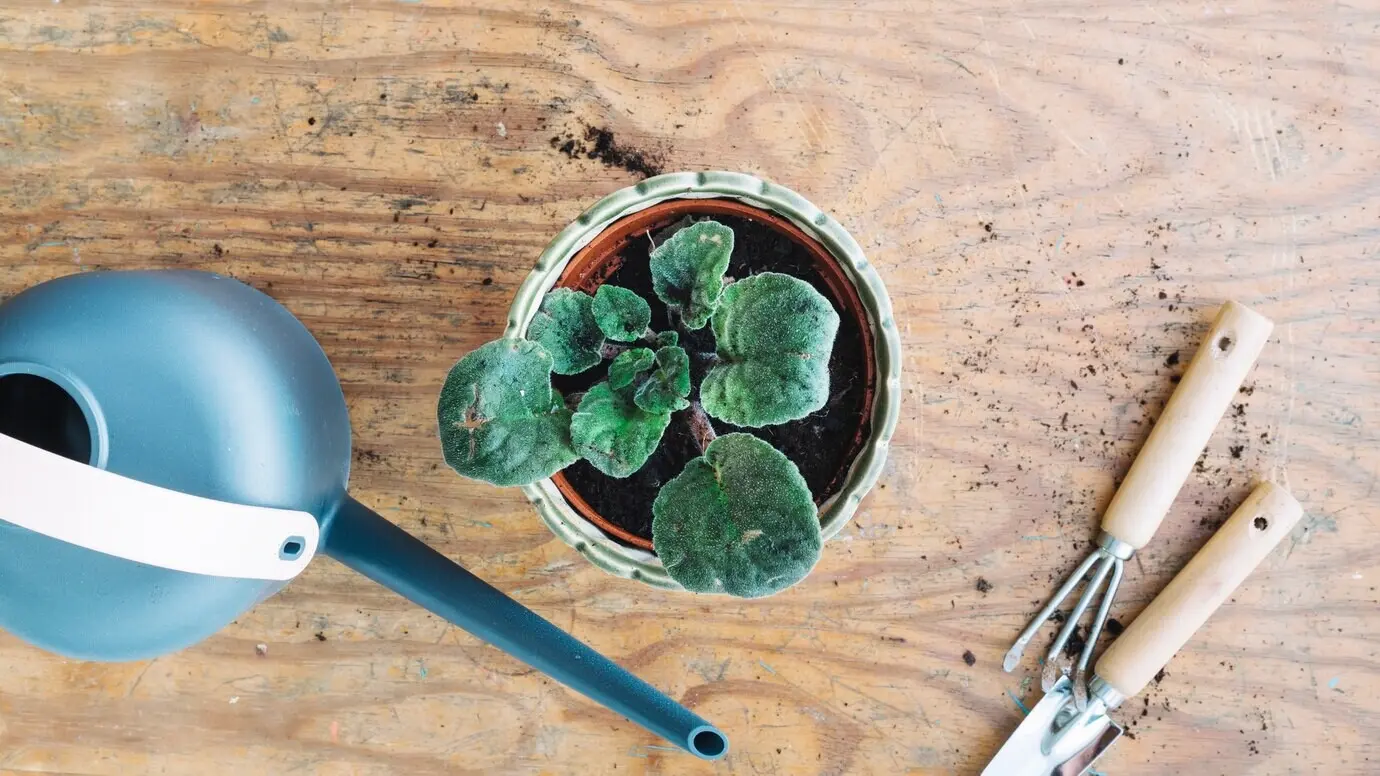
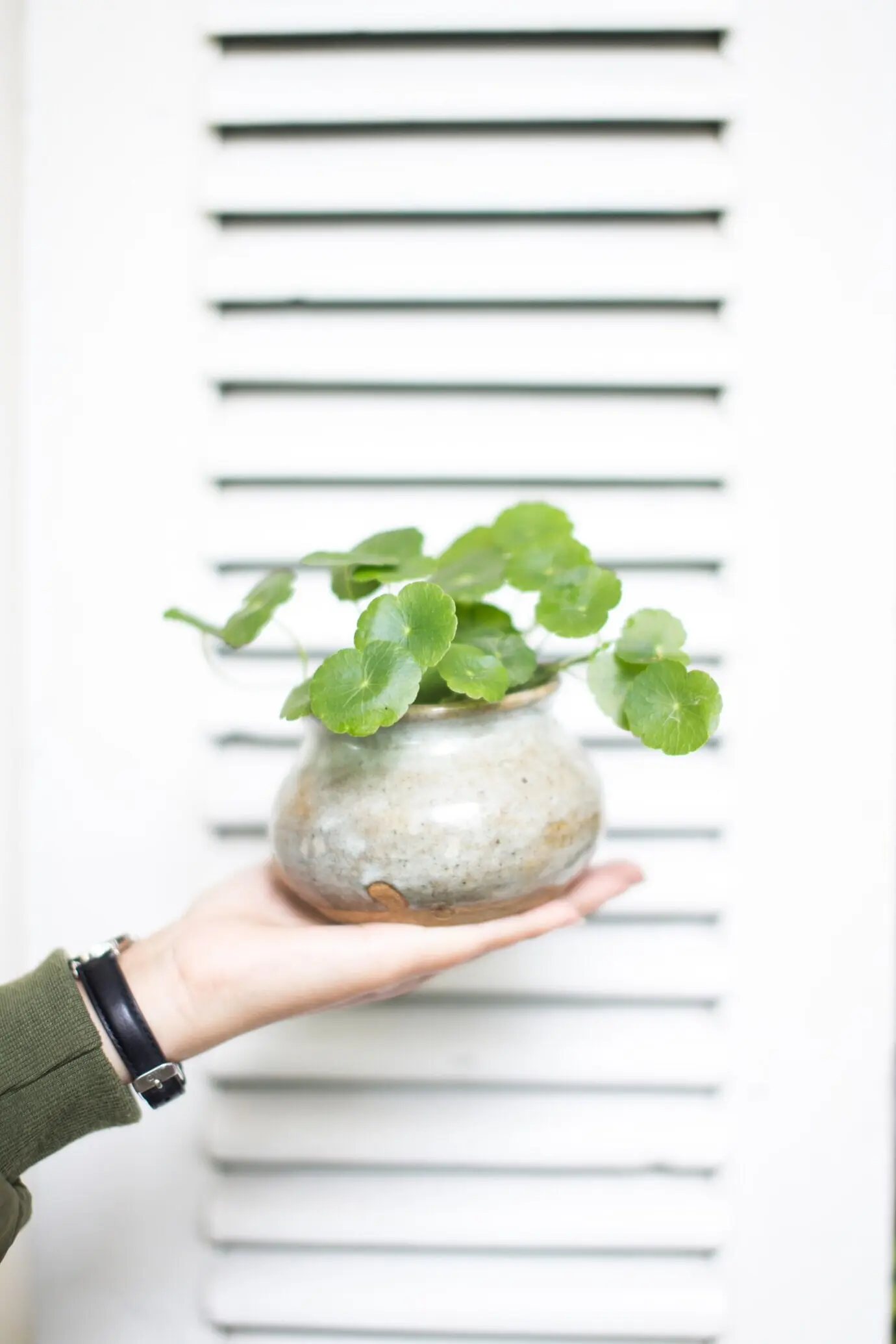
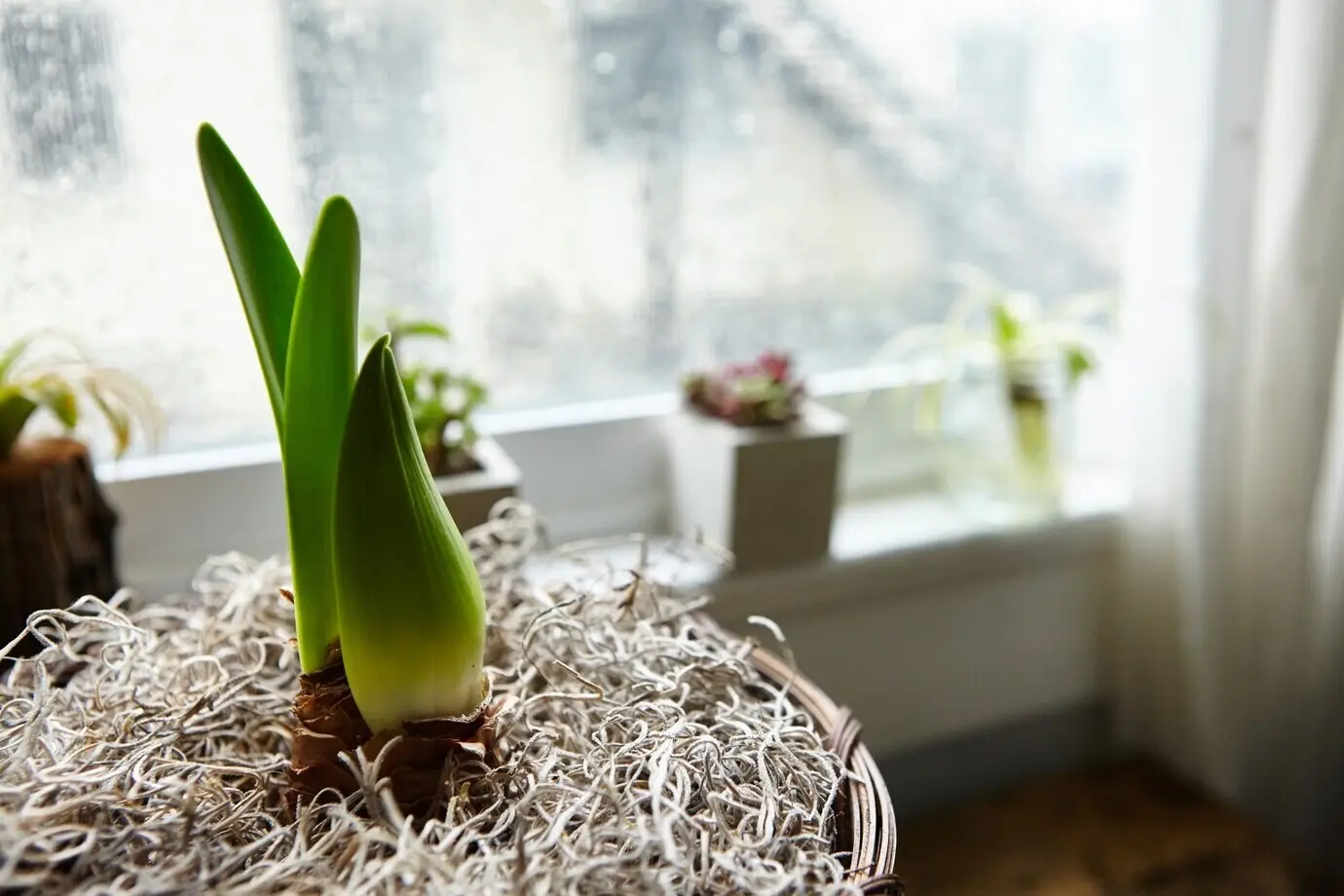
Turn care into discovery. A clear propagation jar on a countertop lets children watch roots grow; a watering can with a measured spout prevents floods. Teach leaf-touch etiquette, celebrate the first unfurling, and avoid spiky species near reading corners. Curiosity thrives when boundaries are clear, reachable, and joyfully reinforced together.
Hosting Without Stress: Mess-Free, Low-Maintenance Arrangements
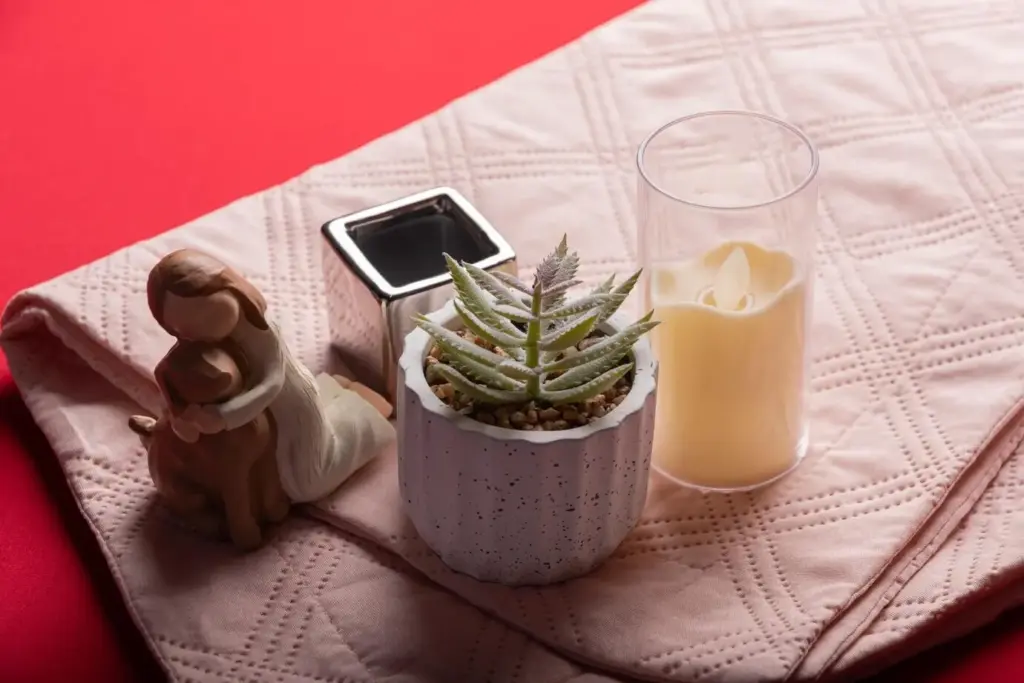
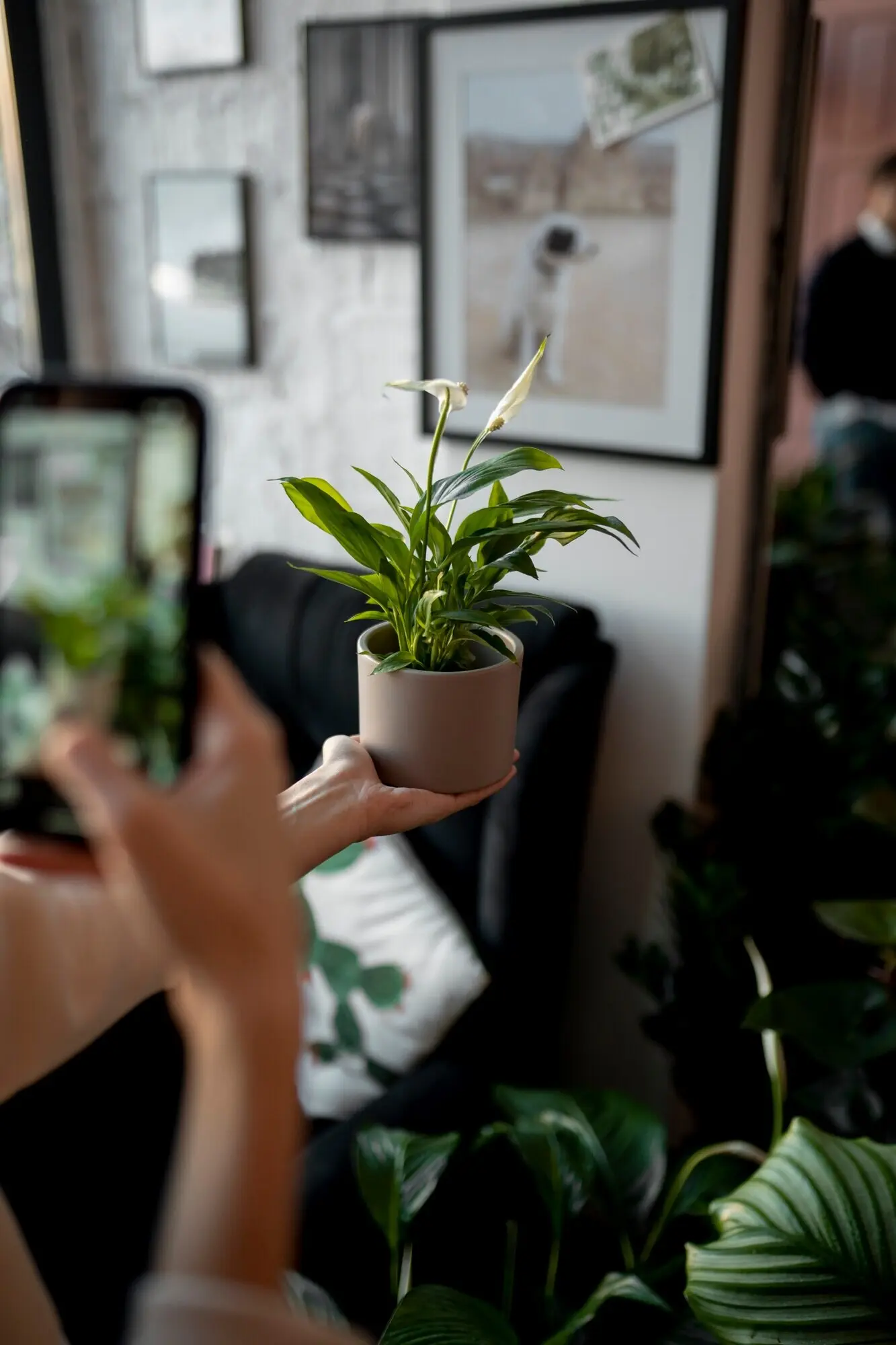
Before gatherings, snip yellowing leaves, top-dress soil with pebbles, and move fragile plants away from buffet flows. Choose sturdy centerpieces like sansevieria or dieffenbachia for sideboards, minding toxicity and distance from pets. Create height with stacked stands, ensure traffic paths are open, and relax into compliments about your living, breathing decor.