Thriving Houseplants Around Vents, Drafts, and Heat Sources

Today we’re exploring how to optimize houseplant placement near HVAC vents, drafts, and heat sources, turning complicated microclimates into supportive habitats. You will learn to read airflow, manage temperature swings, and protect humidity, so foliage grows fuller, roots stay comfortable, and stress signals fade. Share your experiences, ask questions, and subscribe to keep nurturing a home where comfort for people and plants naturally overlaps in every season.

Reading the Room: Airflow, Temperature, and Humidity

Air moves invisibly, temperatures stratify, and humidity drifts, creating pockets that either nourish or punish roots and leaves. By observing patterns around vents, windows, radiators, and doors, you can place containers where airflow is gentle, warmth is steady, and moisture remains stable enough to encourage resilient growth.
Use a strip of tissue, incense smoke, or a small handheld anemometer to trace currents around supply and return vents. Note where air accelerates along walls, spills off shelves, or rebounds from curtains, then position pots slightly outside those swift paths.
Measure at leaf level morning, afternoon, and night, because thermostats lie for corners, windowsills, and floors. Identify cold sinks under leaky panes and warm plumes above radiators. Plants relax where swings stay narrow, ideally within steady, predictable ranges across daily cycles.
HVAC systems dry air fast, but corners near kitchens, bathrooms, or grouped foliage can retain welcome moisture. Track relative humidity with a simple meter, aiming for forty to sixty percent for many tropical species, then fine-tune by grouping, pebble trays, or gentle room humidifiers.

Match Plant Personalities to Their Microclimates

Smart Placement Near HVAC Vents

Use Deflectors, Baffles, and Distance

Snap on magnetic deflectors or attach simple baffles to redirect blasts along floors or away from foliage. Aim for at least two to four feet of offset, and prefer diagonal placement relative to grilles so leaves experience softened, dispersed flow rather than relentless streams. After moving a spider plant diagonally off a supply grille, browning eased within a week.

Shelves, Stands, and Height Matter

Place stands so leaves sit above the most turbulent line, because velocity falls with height and distance from the grille. Use sturdy plant risers, wall-mounted shelves, or micromesh screens to diffuse movement while keeping valuable light and healthy air exchange intact.

Seasonal Adjustments to Damper Settings

In heating season, vents may run hotter and drier, so widen distances and group moisture-loving species. During cooling season, cold air spills downward, so raise plants slightly and check for condensate drafts. Small adjustments prevent ongoing stress and maintain strong, even growth.

Light Without the Chill: Windows and Doors

Big windows deliver life-giving light yet leak cold or invite hot, drying currents. With simple insulating layers and thoughtful buffers beneath pots, you can hold onto brightness while eliminating sudden root chills, keeping leaves photosynthesizing without the aftershock of nightly temperature plunges.

Navigating Heat Sources in Real Homes

Radiators, Baseboards, and Fireplaces

Maintain generous clearance, ideally a foot or more, using side shields or reflective tiles to deflect radiant heat. Avoid overhanging foliage above heaters, and watch for crispy tips that signal superheated air. Slightly larger pots buffer roots during occasional warm bursts.

Kitchens and Electronics

Ovens, kettles, gaming rigs, and routers dump heat and dry air into corners. Keep foliage out of steam paths and away from hot case exhausts. Wipe dust, shield from grease, and provide steady, indirect airflow so leaves stay clean, hydrated, and photosynthetically efficient.

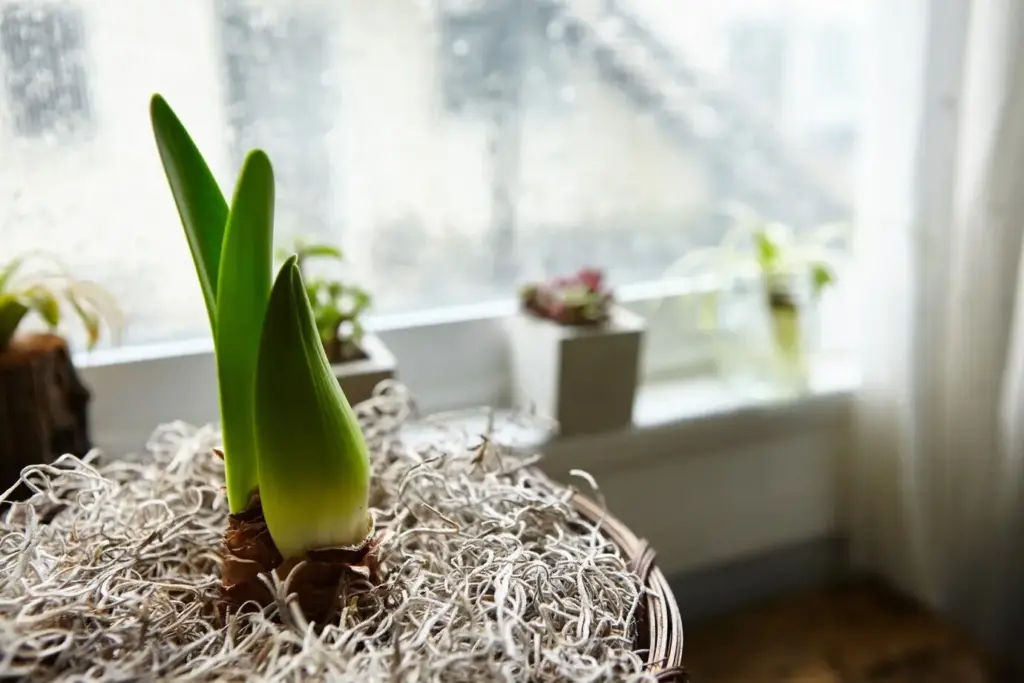
Hydration and Humidity Near Warm Zones

Warm air accelerates evaporation, so check soil moisture more frequently rather than blindly increasing watering volumes. Use moisture meters, finger tests, or pot weight, then supplement humidity with grouped plants and pebble trays while avoiding stagnant water that encourages gnats or molds.

Measure, Observe, and Iterate

Great placements evolve. By measuring, observing, and scheduling small experiments, you will gradually build a home ecosystem that supports comfortable people and exuberant plants. Gentle iteration beats big overhauls, and shared notes help everyone refine practical, repeatable habits for reliable success.
Xafuraxekuluxu
Privacy Overview

This website uses cookies so that we can provide you with the best user experience possible. Cookie information is stored in your browser and performs functions such as recognising you when you return to our website and helping our team to understand which sections of the website you find most interesting and useful.