
Lightwise Houseplant Secrets for Every Window
Today we dive into choosing and caring for houseplants by window exposure, exploring north, south, east, and west, so you can match real light to real plant needs, avoid common mistakes, and build routines that keep leaves glossy, roots strong, and growth steady all year. Expect practical steps, friendly stories, and clear adjustments for every season and room.
Read the Light, Grow with Confidence
Understanding light is the quiet superpower behind healthy indoor jungles. Learn how direction, intensity, and duration change across windows and seasons, how reflective surfaces boost brightness, and how curtains, trees, and balconies reshape microclimates. With simple habits, you will choose better plants, water wisely, and notice early signs that help you respond with calm, timely care.
Map your windows the practical way
Stand at each window with a compass app and note direction, hour by hour. Watch how shadows move, and check whether they are crisp or soft on a white sheet of paper. Record curtains, mesh screens, nearby buildings, and mirrors. This humble map transforms guesswork into clarity, guiding plant placement and your watering schedule with reassuring precision.
Translate plant labels into real rooms
Bright indirect usually means within a few feet of south or east windows, filtered through sheer curtains, with soft-edged shadows. Medium light often suits north rooms or corners near bright windows. Low light means slower growth and tougher species. Reinterpret labels through your window map, then adjust distance, height, and companions so leaves receive steady, gentle illumination.
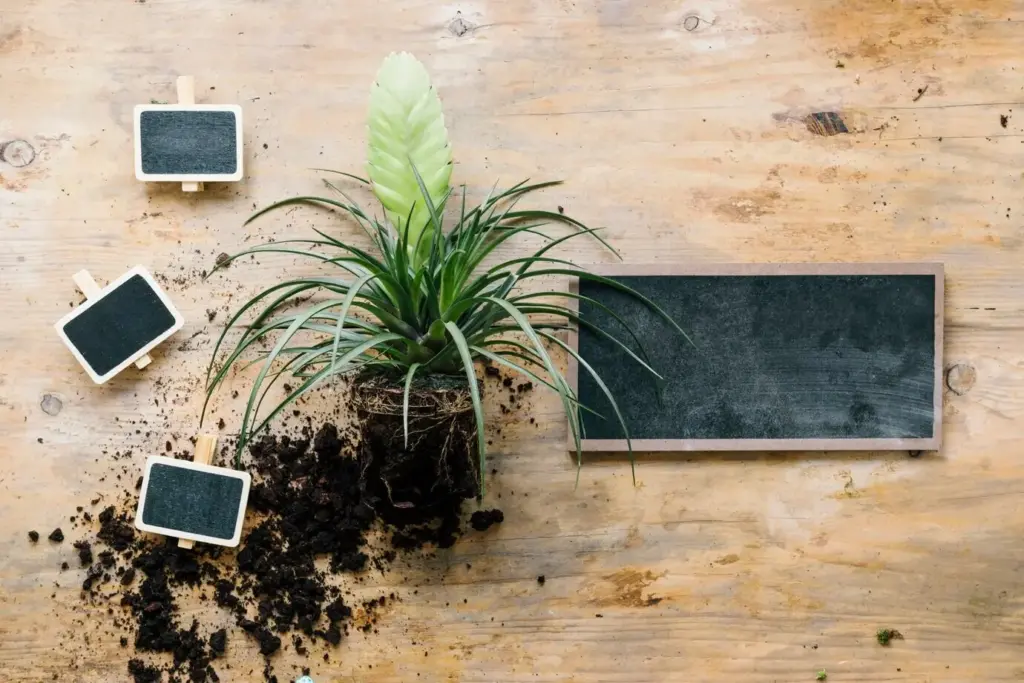
Run a simple home light experiment
Pick one plant, move it two feet closer to a window for two weeks, then evaluate leaf color, new growth, and soil drying speed. Photograph at the same time daily. Repeat with two feet farther. This tiny experiment reveals your home’s light truth, teaches patient observation, and builds confidence that guides every future placement and care tweak.
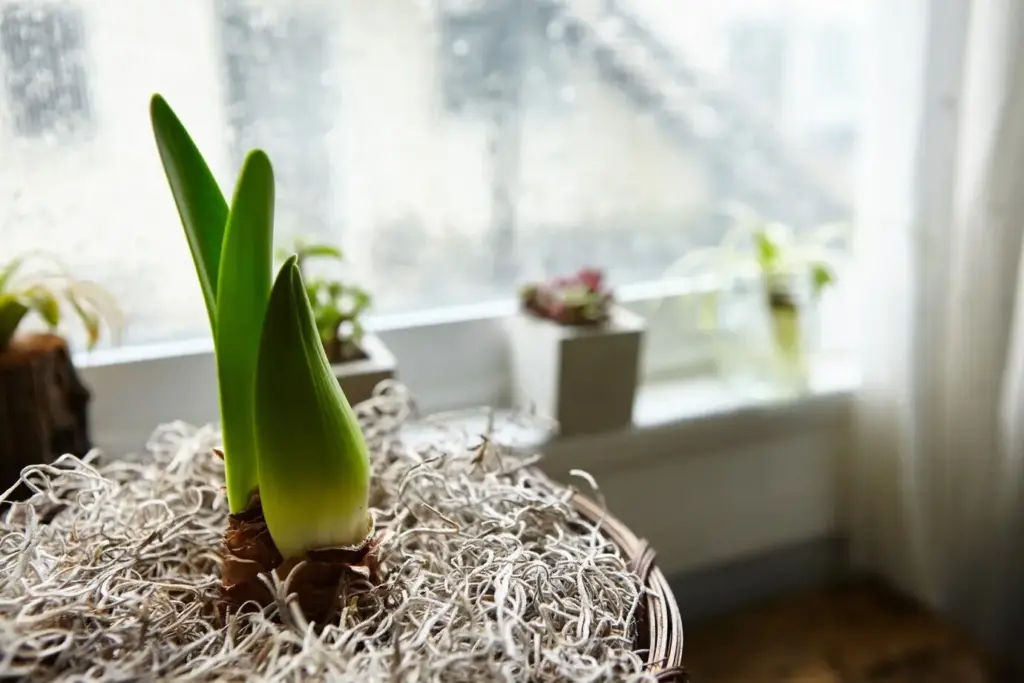
Calm Corners: Thriving in North-Facing Rooms
North-facing spaces offer consistent, cool brightness without direct sun, perfect for subtle textures and deep greens. Growth is measured rather than frantic, encouraging thoughtful watering and humidity support. With the right choices, these rooms become sanctuaries for reliable foliage, serene desks, and slow, steady success that rewards care, observation, and gentle adjustments through changing weather and schedules.
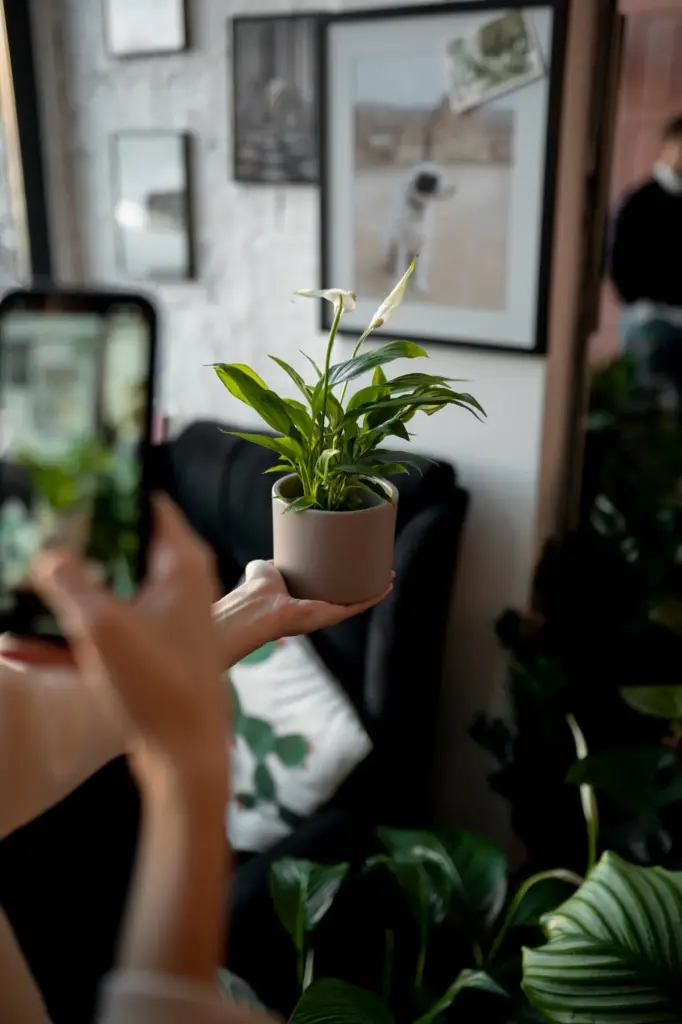
Choose pothos, ZZ plant, snake plant, peace lily, and certain ferns that prefer softer light. Expect slower growth but delightful resilience. Rotate monthly to balance leaning stems. Dust leaves to maximize available light uptake. Pair with matte pots and soft textures for harmony. Share your favorite serene green nook and discoveries to inspire others cultivating quiet confidence.
In lower light, soil dries slowly, so water less frequently and check moisture at knuckle depth. Use airy mixes to prevent stagnant roots. Feed lightly during spring and summer, pausing in winter. Encourage humidity with trays and grouped plants. Keep consistent routines, observe leaf shine, and adjust calmly, letting patience deliver roots that quietly anchor durable growth.
Sun-Bathed Spaces: Mastering South-Facing Care
South windows deliver abundant brightness and long hours of sun, fueling vigorous growth, intense color, and rewarding blooms. This bounty demands smart management of heat, watering, and protection during harsh midday rays. With the right companions, filters, and schedules, south rooms become uplifting, energetic hubs where photosynthetic enthusiasm meets measured, thoughtful routines that keep plants radiant.
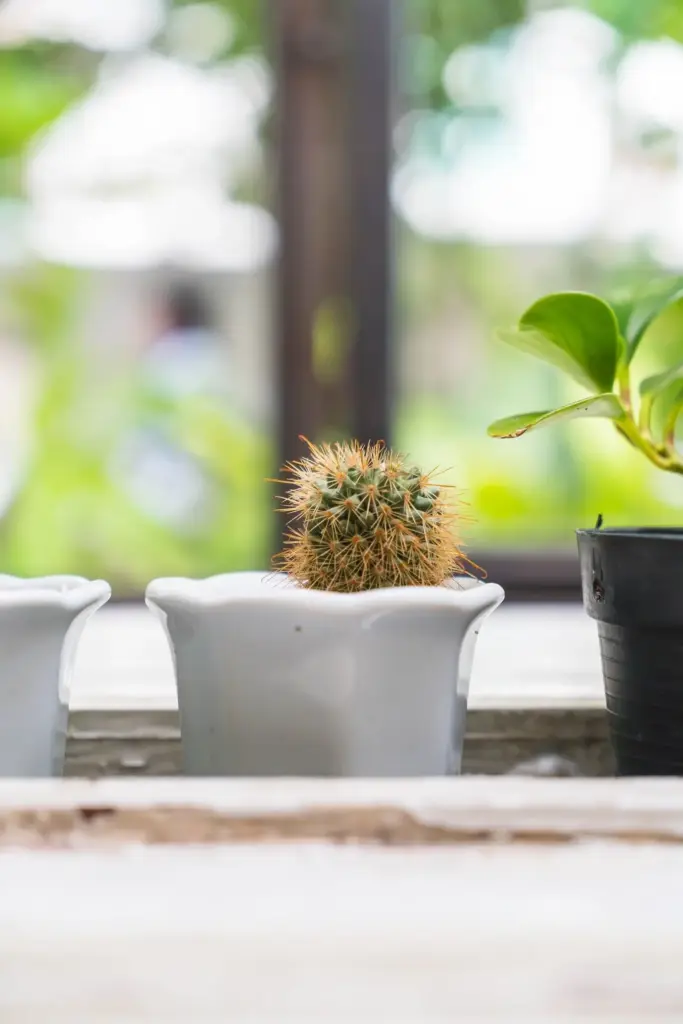
Plants that glow with soft sunrise rays
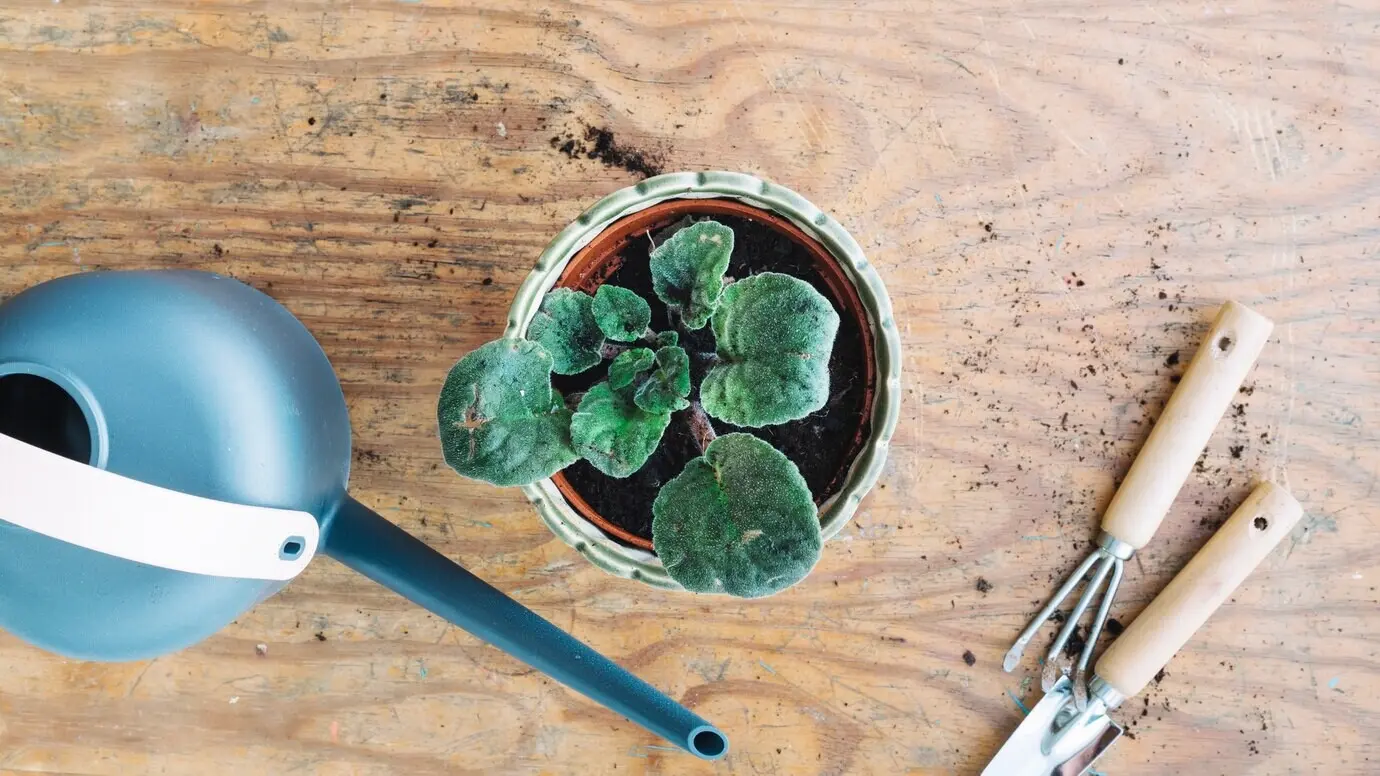
Try philodendron varieties, calathea with patient humidity care, heartleaf hoya, peperomia, and African violet encouraged to bloom. Morning light keeps leaf markings crisp without harsh burn. Position within a few feet, add a thin sheer if summer brightness intensifies, and rotate monthly. Celebrate subtle progress, and encourage friends to share east-facing before and after transformation stories.
Timing care routines to morning rhythms
Water early when necessary so foliage dries quickly and stomata cycles align naturally. Dust leaves midweek for consistent photosynthesis. Feed lightly during growth months, then revise as daylight shortens. Observe how morning warmth wakes leaves without shocking them. Keep a journal, note changes, and invite readers to compare observations, building dependable habits that feel comforting and repeatable.
A small windowsill transformed
An east-facing sill once hosted a struggling ivy. Swapping to peperomia and a compact African violet, adding a thin sheer, and elevating pots on small risers changed everything. Leaves perked up, blooms returned, and watering settled into a comfortable rhythm. Share your gentle morning victories, inspiring realistic, joyful improvements rather than stressful overhauls that rarely last.
Golden Afternoons: West-Facing Window Tactics
West windows can feel deceptively calm before delivering hot, bright afternoon beams. Plants thrive here with mindful buffers, strategic distance, and heat-aware potting. Expect slightly faster drying, occasional leaf edge stress, and seasonal shifts. With smart shielding and gradual acclimation, this golden light becomes a reliable ally, painting leaves with satisfying, photo-ready glow without needless drama.
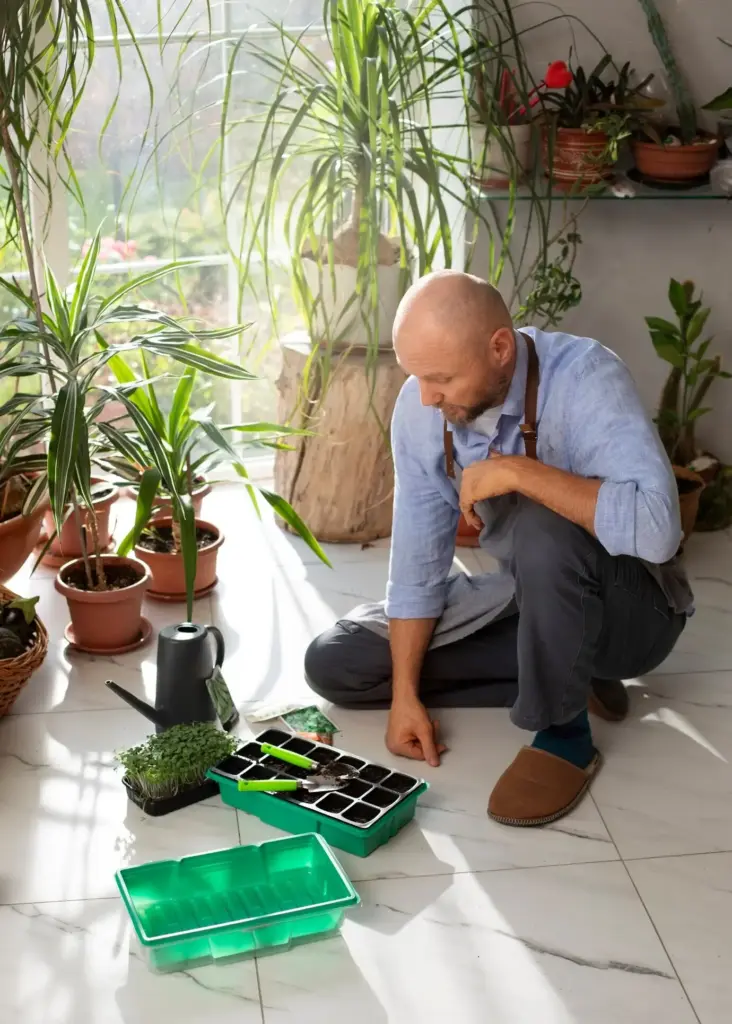
Seasons, Weather, and Microclimates
Light and temperature are living characters that change monthly. Winter shrinks hours and cools sills; summer extends days and heats glass. Drafts, radiators, and mirrors stretch or distort conditions. By anticipating these shifts, you will reposition confidently, recalibrate water, and keep plants balanced. Your home becomes a responsive ecosystem where attentive habits consistently unlock flourishing foliage.
Winter survival playbook for every window
Move plants slightly closer to light, clean leaves for maximum efficiency, and reduce feeding. Keep roots warm with insulating cork mats, and shield from cold glass. Increase humidity with trays and groupings. Water less but more thoughtfully. Share your winter rotation map and lessons learned, helping everyone preserve strength for spring’s joyful burst of renewed growth.
Summer adaptations, shielding, and watering pivots
Add sheers to south and west windows at midday, and pull plants back a foot to reduce stress. Water earlier, allowing leaves to dry quickly. Ventilate gently, and repot into breathable containers if needed. Observe leaf posture after heat waves. Post your summer schedules and improvements, building a helpful library that lightens maintenance and protects precious foliage beauty.
Detecting drafts, radiators, mirrors, and reflections
Hold a candle or incense stick near sills to detect air movement, and feel wall temperature behind pots. Radiators dry soil faster; mirrors brighten corners unexpectedly. Adjust height, distance, and watering frequency accordingly. Document microclimates on your map and swap insights with others. Small, consistent tweaks keep plants resilient despite tricky, shifting indoor weather personalities across rooms.
All Rights Reserved.