
Smarter Houseplant Care Through Home Microclimate Sensing

Welcome! Today we explore using smart sensors to track home microclimates for better houseplant care. By reading temperature, humidity, light, soil moisture, and airflow, you will finally understand why the same plant behaves differently across rooms, and how subtle adjustments create healthier roots, steadier leaves, and reliably vibrant growth through every season.

Mapping the Hidden Climates in Every Room

Homes are patchworks of tiny environments, shaped by windows, vents, curtains, and even furniture shadows. Smart sensors reveal these patterns without guesswork, turning invisible gradients into practical guidance. With clear readings, you can place sensitive species with confidence, anticipate stress before it appears, and nurture a living collection that thrives because every plant actually belongs where it stands.

Choosing and Setting Up Reliable Smart Sensors

Not every device suits every plant parent. Select tools that balance accuracy, battery life, range, and simplicity. Consider app ecosystems, graphing features, and export options for deeper analysis. When sensors are easy to trust and use, you will actually check them, notice patterns early, and transform sporadic care into a calm, informed, repeatable routine throughout the year.

Turning Numbers Into Confident Plant Decisions

Data only matters when it changes what you do. Translate readings into simple routines: when soil trends dry faster, adjust watering volume; when humidity dips persist, group plants or add a pebble tray. Light measurements inform placement, pruning, and supplemental fixtures. With a few rules, measurements become a gentle map guiding everything from pot choice to propagation success.

Building a Watering Rhythm From Moisture Curves

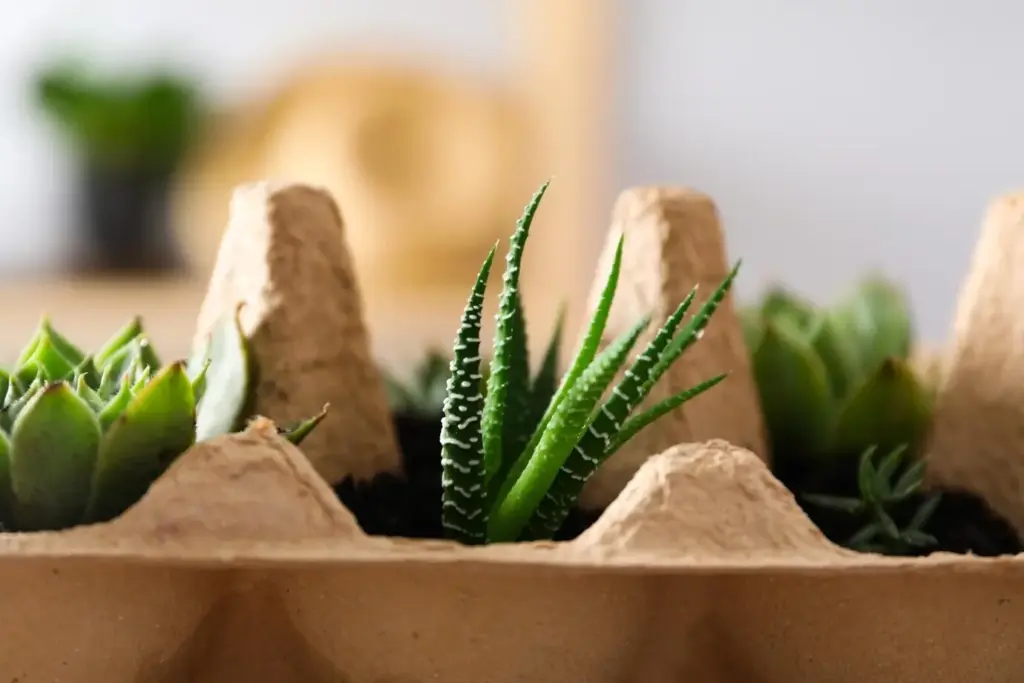
Continuous soil readings reveal how long different mixes hold water in your conditions. Watch drying curves after a thorough soak, and note when roots prefer rewatering. Succulents may like deeper, less frequent cycles, while tropicals enjoy steady, moderate moisture. Replace guesswork with patterns, and your schedule adapts naturally to season, pot size, and each plant’s thirst.
Light Thresholds for Diverse Species

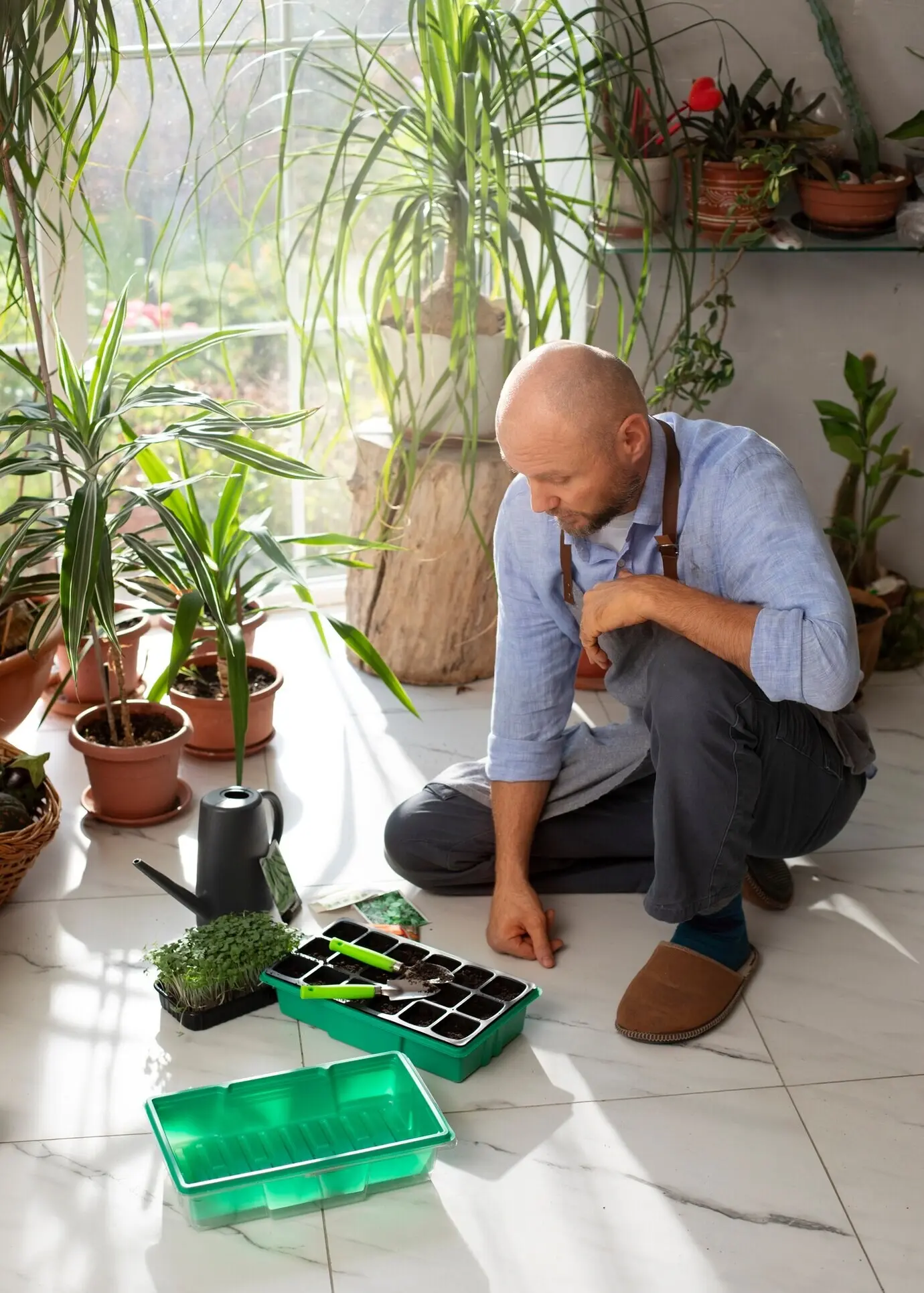
Match measured lux ranges to plant preferences so placement becomes intentional. Snake plants tolerate lower light but still reward exposure boosts, while Hoyas and Monsteras appreciate brighter spots without harsh midday scorch. Tracking midday peaks helps you use sheer curtains strategically. Instead of vague labels like bright or low, you confidently aim for consistent, supportive light every week.
Vapor Pressure Deficit, Simplified for Leaf Happiness

VPD ties temperature and humidity into a single comfort picture. High VPD means leaves lose water faster; low VPD can slow gas exchange. You do not need equations—just notice patterns. If warm, dry readings appear, increase humidity or reduce heat stress. Sensitive plants like calatheas often relax once VPD stays moderate, showing smoother growth and fewer curled edges.
Seasonal Shifts, Home Habits, and Gentle Adjustments

Seasons quietly rearrange every room’s microclimates. Winter heating dries air and chills windows; summer sunlight lengthens and intensifies. Track how readings evolve with curtains, radiators, and door usage. Then make small changes: rotate stands, tweak watering, and regroup companions. A few measured moves keep conditions steady, helping roots stay active and leaves avoid dramatic stress swings.

Stories From the Data: Small Experiments That Changed Everything

Real homes and real plants teach better than theories. Treat sensors like friendly narrators and run tiny trials—move a pot, switch a mix, add a curtain—and watch the numbers respond. These low-risk experiments, paired with patient observation, uncover each plant’s preferences, turning scattered tips into personal wisdom that sticks because your own rooms proved it true.

A Simple Dashboard and Habits You Will Actually Keep

Designing an At-a-Glance Overview

Choose one chart per need: a seven-day humidity line, a daily light bar, and soil thresholds with clear color cues. Hide extra metrics unless troubleshooting. The goal is instant clarity, not analytics bravado. When the page answers real questions in seconds, you will open it often, act sooner, and protect plants long before stress becomes visible.

Weekly Check Ritual That Feels Rewarding

Choose one chart per need: a seven-day humidity line, a daily light bar, and soil thresholds with clear color cues. Hide extra metrics unless troubleshooting. The goal is instant clarity, not analytics bravado. When the page answers real questions in seconds, you will open it often, act sooner, and protect plants long before stress becomes visible.

Join the Conversation and Share Your Charts

Choose one chart per need: a seven-day humidity line, a daily light bar, and soil thresholds with clear color cues. Hide extra metrics unless troubleshooting. The goal is instant clarity, not analytics bravado. When the page answers real questions in seconds, you will open it often, act sooner, and protect plants long before stress becomes visible.

Xafuraxekuluxu
Privacy Overview

This website uses cookies so that we can provide you with the best user experience possible. Cookie information is stored in your browser and performs functions such as recognising you when you return to our website and helping our team to understand which sections of the website you find most interesting and useful.