
Make Every Room Green and Pet-Safe
Welcoming Entryways and Hallways
Relaxed Living Rooms and Lounges
Selecting Safer Plants With Confidence
Non-Toxic Favorites That Still Shine
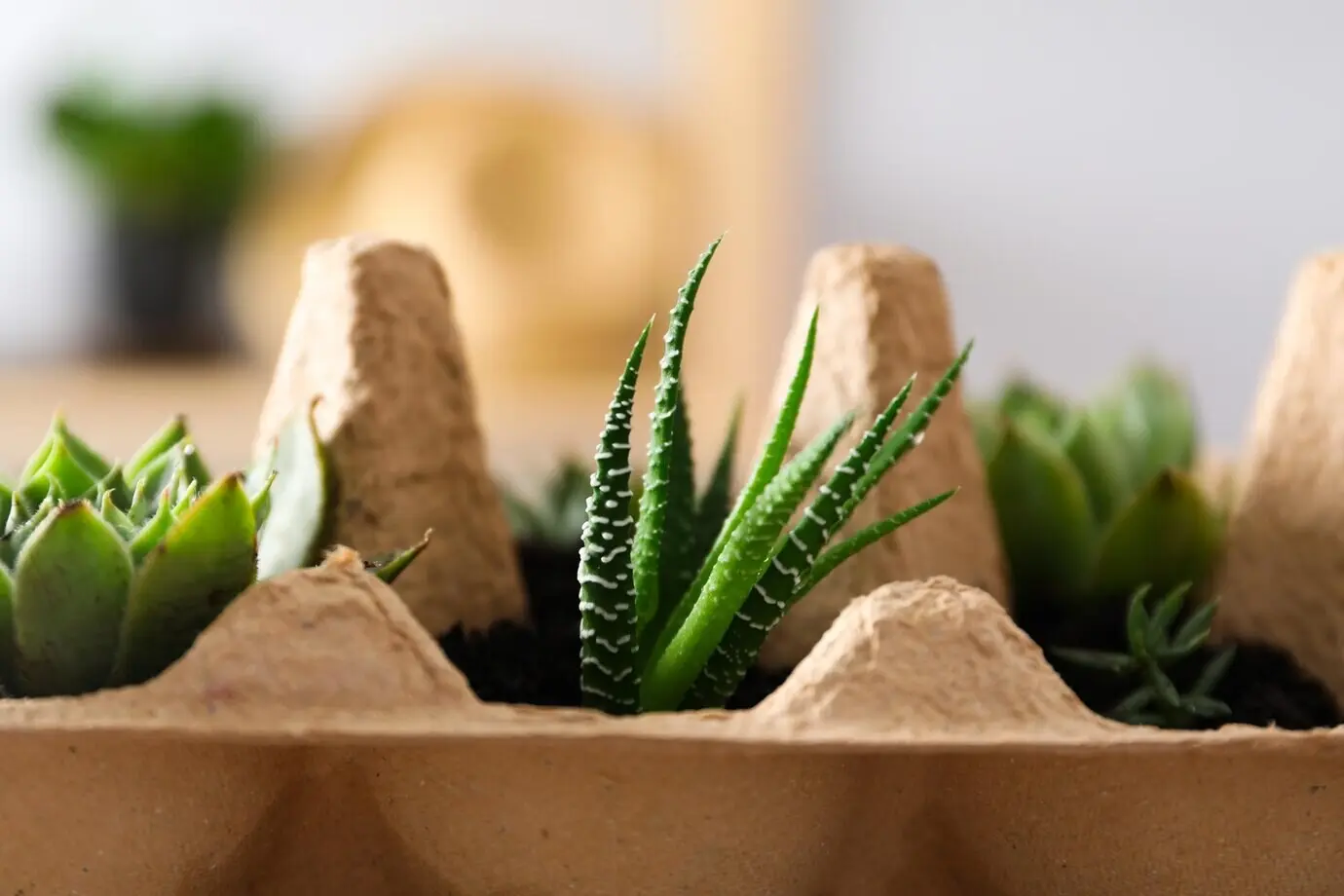
Look to parlor palm, areca palm, calatheas, marantas, peperomias, spider plants, and many ferns for gentle, lush displays that suit most rooms. Succulents like haworthia and echeveria are typically considered non-toxic, though always verify varieties. Boston ferns add soft texture, while fittonias brighten shelves with mosaic color. Even safe plants can tempt nibblers, so elevate when needed and rotate plants seasonally. Share your dependable picks in the comments to help others build confident lists.
Plants To Handle Carefully or Reconsider
Some beloved houseplants are risky for pets, including lilies for cats, sago palm, dieffenbachia, pothos, philodendrons, ZZ plants, and snake plants. Calcium oxalate crystals and other compounds can irritate mouths and guts. If you adore these forms, consider fully enclosed terrariums or high, unreachable locations. Alternatively, rehome to a pet-free space or gift to a friend. The beauty of your home never requires compromising your animals’ well-being, and wise swaps often look equally stunning.
Vertical, Protected, and Creative Zones
Hanging Heights and Hidden Strength
Use ceiling anchors rated beyond your heaviest waterlogged pot, and distribute weight with studs or reliable toggle bolts. Keep cords tidy in sleeves and hang planters a few inches from walls to prevent swinging against paint. Measure cat jump zones and install planters outside known launch paths. Choose lightweight, shatter-resistant containers, and test hooks monthly. Subtle adjustments, like moving a chair, can remove the final rung from your pet’s imagined climbing route.
Shelves, Ledges, and Rail Systems
Anchor shelves solidly and add a slim lip to reduce sliding. Acrylic guards preserve visibility while discouraging curious noses. Rail systems over a backsplash or office desk provide sunlight and protection from bumps. Prioritize non-toxic trailing options and prune before stems dangle into tempting sways. Mix heights for light access and include a drip tray with felt pads under each pot. Post a photo of your setup so others can replicate safe, stylish solutions.
Watering, Soil, and Cleanliness That Protect Pets
Smart Watering That Reduces Temptation
Pet-Safe Surface Covers and Barriers
From Curiosity to Calm Cooperation
Better Alternatives Win Every Time
Consistent Signals, Shared Rules
Light, Air, and Routine Care For Long-Term Harmony
All Rights Reserved.